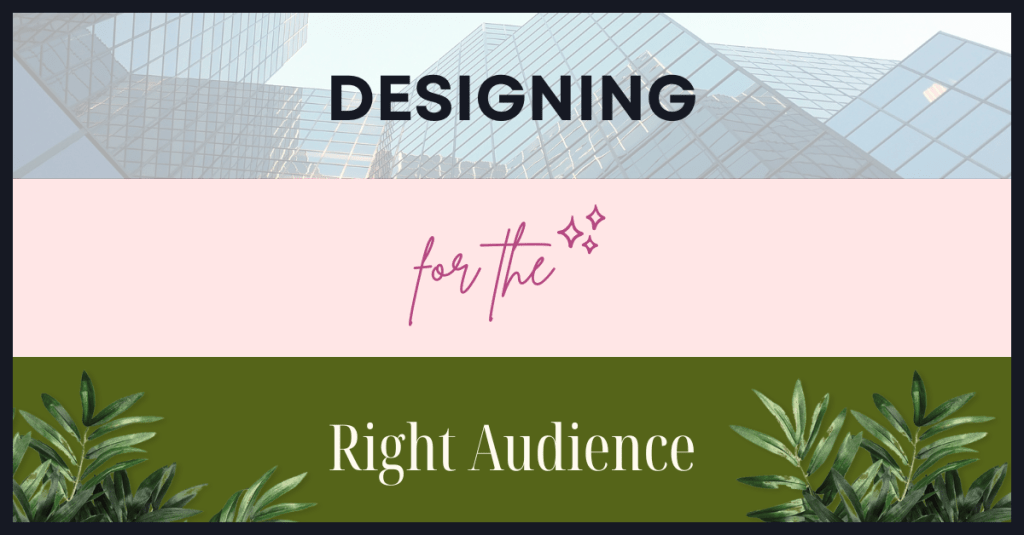
Stop arbitrarily choosing a typeface or a color palette just because it’s pretty. Aesthetics are a major part of any design, but in branding, looks alone won’t cut it.
Choices you make while designing have a profound impact on your audience. Every decision helps set the tone and tailor your brand to fit the right audience. A wrong decision can throw that off.
Understanding your options helps you make the best choices.
Typeface Selection
1. Serifs
Serifs have a flair (or feet) extending from the letters. Popular serifs include Times New Roman, Baskerville, and Georgia.
Used in academic papers, “books and any manner of physical media,” their history makes serifs read as traditional, trustworthy, and sophisticated.
2. Slab Serifs
Slab serifs possess thick flourishes extending from the letters. Popular slab serifs include Rockwell, Clarendon, and Courier.
They evoke similar emotions to serifs but “can appear bolder, more youthful, and confident,” says Adobe.
3. Sans-Serifs
Sans-serifs (sans meaning “without”) do not include the feet on the letters. Popular sans-serifs include Helvetica, Century Gothic, and Montserrat.
These typefaces feel clean and modern.
4. Scripts
Scripts feel elegant, feminine, and whimsical. Some will feel more elegant, while others (like handwritten or brush scripts) may feel more playful.
5. Display
The look of display typefaces varies greatly. Some emulate graffiti,
others stamps, and some have funky letterforms. They help a specific creative vision.
Color Choice
Colors affect emotions and behaviors. Fast food brands, for example, pick warm colors because they are “more stimulating and hunger-inducing,” says Skillshare. Color dictates how your audience responds.
- Red: passion, excitement, danger
- Orange: enthusiasm, warmth
- Yellow: Joy, energy, positivity
- Green: growth, nature, prosperity
- Blue: Calm, trust
- Purple: luxury, creativity
- Pink: femininity, romance
- Black: sophistication, mystery
- White: clean, pure, simple
- Brown: Earthy, reliable
If you’re a makeup brand, purple and black may attract people searching for high-end products. Whites and greens can attract an audience focused on cleaner ingredients.
Imagery
The type of imagery you choose impacts your brand’s perception. Using sleek, clean photography? Your brand may feel modern. Doodles? Your brand may feel youthful. Rough, hand-drawn illustrations? It can feel rustic/warm. The possibilities are endless.
Tip: Take some time to understand different kinds of imagery and their effect. Ask others if you think your choice sets the right tone.
When to Break the Rules
Branding choices aren’t black and white. “Correctness can even vary within a word,” says William Zinsser, on situations where words may or may not be appropriate to use. The same can be said regarding the choices above.
If you’re trying to stand out, you may want to stray from the norms. Most tea brands feel traditional, using serifs and generic photography to indicate flavor. To stand out, try a bold sans-serif with playful illustrations to present the flavor creatively.
Breaking these rules can appeal to a brand new audience. A brand with an older audience can appeal to a younger demographic by using brighter, bolder colors and trendy illustrations.
No matter your choice, ensure your decisions are intentional to succeed.

 Life: Designed
Leave a comment