Is the content you’re putting out there ethical? Is it misleading in any way? Is the information accurate? Is everything in your content yours, or do you have permission to use it?
It’s easier than ever to get caught up in the need for clicks and views. Misinformation is spreading rapidly, and AI-generated content is on the rise. To reach your content goals, it may be tempting to fudge the truth a little or take shortcuts, but believe me, the cons outweigh the pros.
Keeping content ethical is important. What you produce holds so much power. It can affect your brand, your image, and your strategy. Put your best content forward and always create ethical content.
Defining Unethical Content
To put out content that’s ethical, it’s important to understand what unethical content is. Unethical content is any media, video, or text put out that is misleading or deceptive, causes harm, or gives one group an unfair advantage. Let’s break this down a little further:
Accuracy
Publishing inaccurate content is a big no-no for ethical content because it contributes to the spread of misinformation. It can be tempting to be first, but it’s not always the most ethical. “The ethical content strategist would prioritize accuracy over speed,” says Content Strategy Knowledge Base. Failing to check sources can be how internet gossip spreads.
Comedian Abby Govindan is a perfect example. As a joke, she tweeted creating the Netflix show Emily in Paris. This isn’t true; she was just making a joke. Creators saw her post and wrote articles about her thoughts on the show’s Golden Globe nomination, where she said she made the show as a joke. “A bunch of news outlets picked up on it and reported on it as if it was the actual truth,” says Govinda. This all could’ve been avoided if writers checked their sources, instead of writing an article based on a random tweet.
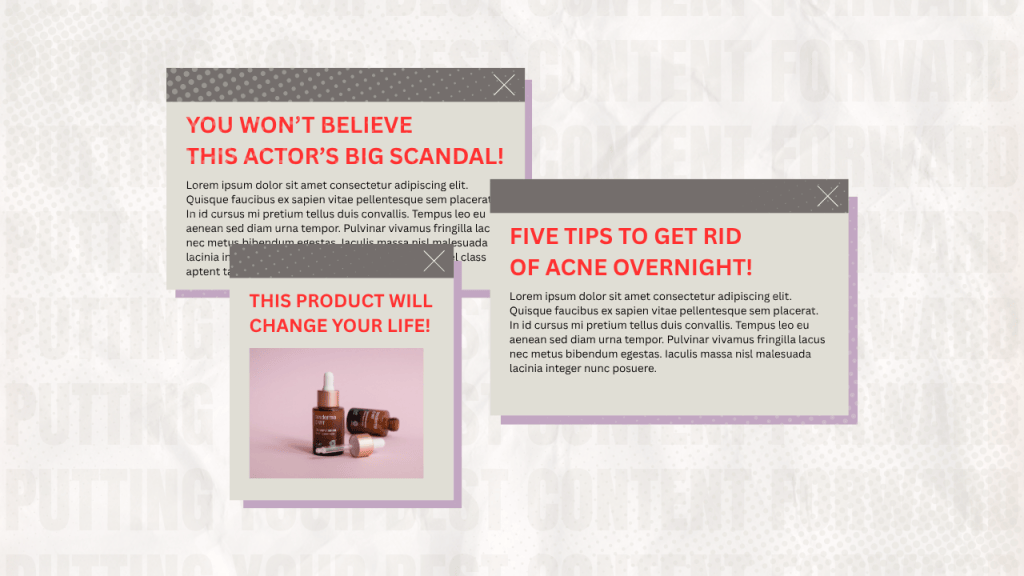
When putting out content, back up your claims whenever possible, especially when the topic covers important information like health. You should also avoid sensationalism and biases in your content, as while claims may not be inherently wrong, they can often be misleading. If you’re writing a title like, “You won’t believe what happens next,” chances are I’d believe it and you’re just misleading your audience.
Sponsored Content and Native Advertising
Is a brand paying you to promote their content, and are you disclosing that information? If you’re giving advice or prompting someone to make a purchase, make sure you tell them you’re being paid. People want to know your real thoughts, not the thoughts of those paying you.
Whether it be promoting a product in a YouTube video or using paid links to promote a client, if you’re not informing your audience, you’re misleading them. If you knew someone was being paid to tell you a product is great, would you trust them wholeheartedly? Probably not. If you didn’t know they were being paid, you might take their word for it and skip the extra research. Failure to disclose ads might make you an extra buck, but it’s far from ethical.
Another unethical advertising tactic is native ads. They’re made to fit seamlessly into a publication, article, etc so it feels like it’s part of the publication and not outside paid content. They’re meant to be confusing.
Look at the TikTok Shop, for example. Ads are made to look like non-sponsored videos you’d typically see. They make it hook you with what feels like a genuine testimonial until you look down and see the orange cart in the corner.
If you’re being paid to make something, make it clear you’re being paid. Make your ads distinct from the rest of the content. Proper disclosure leads to less consumer deception.
Transparency
Be transparent about your true intentions when posting something. Avoid posting only because you know that if you make the content in a certain way, it will do better.
Going back to the sensationalist, clickbait titles I mentioned earlier, fluffing up your titles to an extreme degree misleads your audience. They think they’re reading an article about one topic, but it turns out to be something else. Maybe someone clicked on an article to hear some crazy news, but it’s underwhelming or disappointing. The title exists to get clicks, nothing more.
A lot of content is ragebait. Why? Because it works; posts simply perform better. It can be political, a hot take, or dissing a popular celebrity. Getting mad makes us stay longer and interact more. “When we see something we disagree with, we don’t want to disagree privately. We read comments, share the link with friends, and write our own responses. All engagement, even negative engagement, drives reach,” explains Sage Butler with Planoly. It’s not ethical to get you angry so you interact more, just so your content does better, so avoid it.
Another prominent practice is paying for favorable reviews. If see all these people singing the praises of a brand or product, that’s a good sign, right? Not always. Businesses can pay others to say favorable things about them, circling back to the issue of sponsored content. If a company pays for reviews, they’re not being transparent about their customer’s genuine thoughts.
Plagiarism
Always make sure you’re using images, words, and other content that belong to you or that you have permission to use. If you do have permission to use someone else’s content, make sure it’s attributed properly. Taking someone’s content, firstly, gives your audience the impression you made it yourself, and secondly is unfair to the person who actually created it. If you didn’t do the work, you can’t get all the glitz and glam (or the possible paycheck); it’s just not fair to the original creator or your audience.
Ethical SEO
Ethical SEO means making sure your pages are accessible and that the right people find your page. To do this, optimize every page equally, make it available in as many languages as possible, and don’t use code that could hide pages just because you could make an extra buck by doing so. Be sure to promote your content accurately.
A prominent example of deceptive SEO is with reproductive care. When women in need of abortions or reproductive care searched for clinics near them, they’d often find something called crisis pregnancy centers. Instead of offering medical care, the people at these centers would try to dissuade them from getting an abortion. Content on their site is made to look like a legitimate abortion clinic. The wording and imagery are all meant to get a woman into the building so they can persuade them to not to terminate their pregnancy. They manipulate their SEO so they pop up right at the top with your Planned Parenthood Centers.
The Brand Implications of Unethical Content
Producing ethical content is not simply a reflection of a brand’s values. It’s a risk-management strategy; it improves public image and promotes corporate social responsibility. Misleading claims, unlicensed images, undisclosed sponsorships, or content that misrepresents a community can trigger lawsuits and damage reputations. Brands that publish honestly and credit their sources build trust with audiences who are increasingly quick to sniff out something phony. It also ties directly to corporate social responsibility. Ethical content is where a company’s values can show up in practice or fall apart.
Recently, Dior claimed their new holiday short film was all hand-animated, but people are saying that it’s clearly AI-generated, hurting their reputation. Prada, on the other hand, actually hired real animators with experience from your favorite Disney animated films for their holiday ad. This earned them extra brownie points by taking the time to actually create an ad by hand.

Play the long game. In the end, taking the extra time to ensure content is accurate, not misleading, and 100% yours will do more for your brand than being first on the scene. If it doesn’t feel right, pause. It probably isn’t, so listen to your gut and see if there’s a better way to go about creating your content before you publish it. Unethical content can cost you.


Leave a Reply